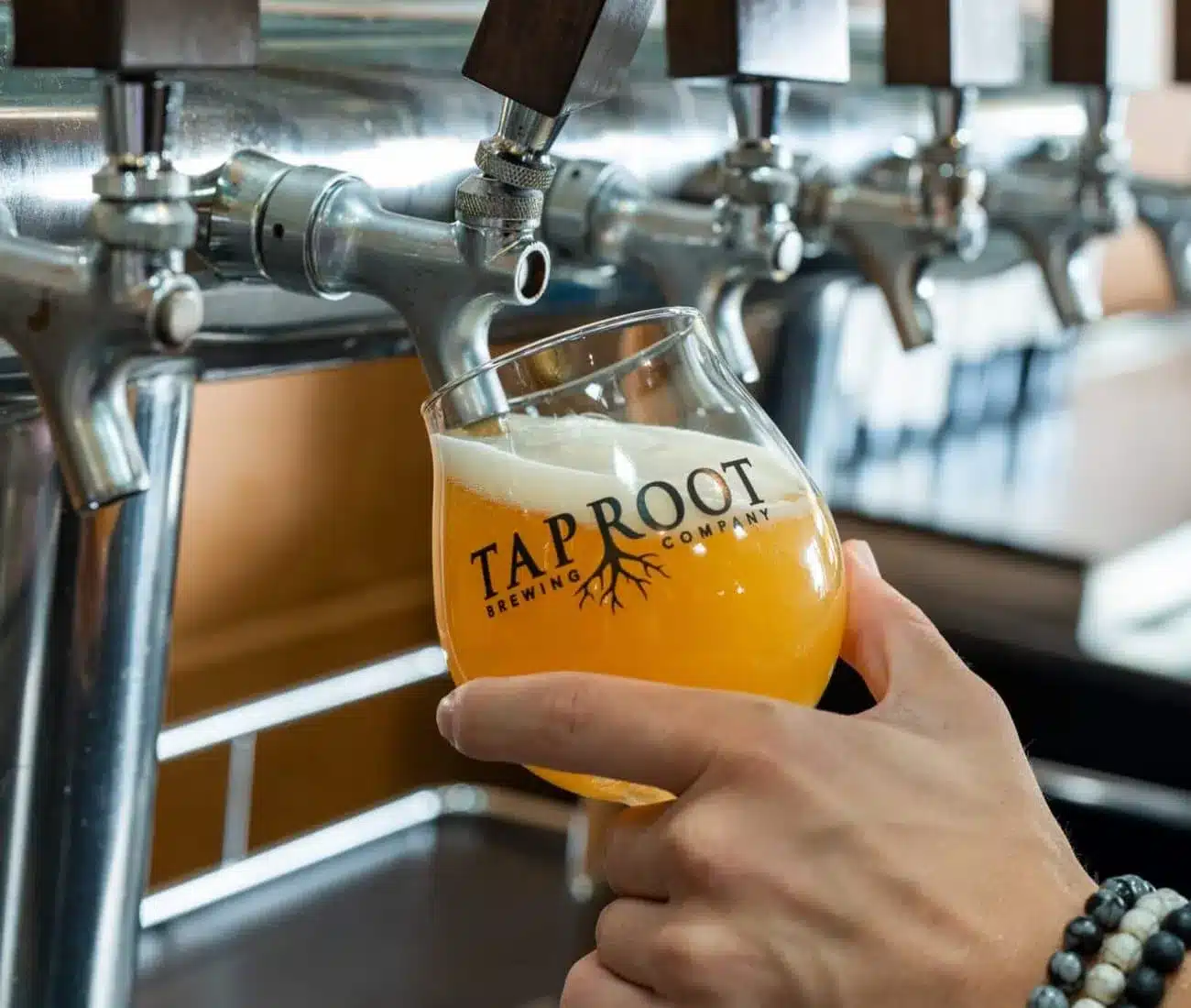
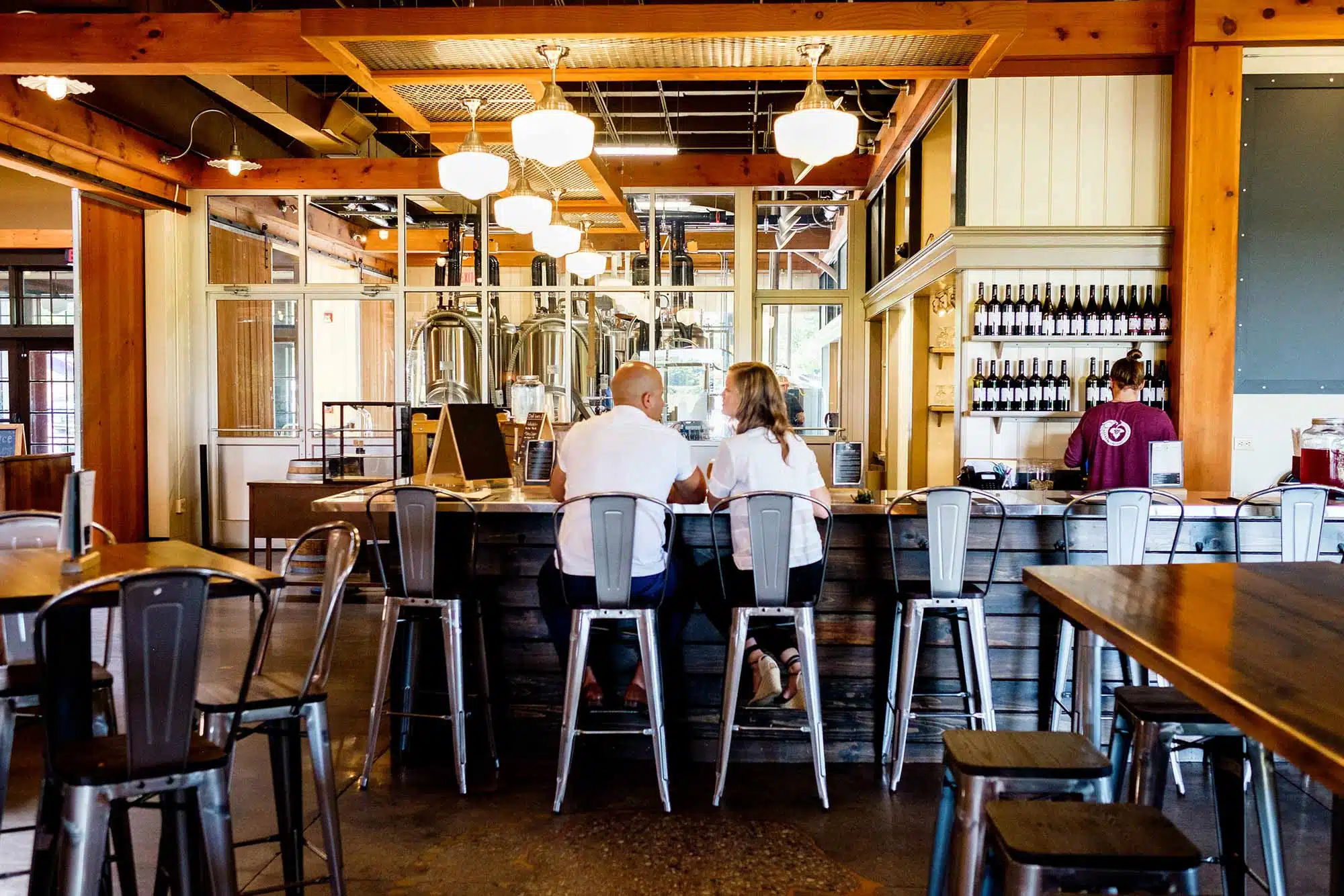
Taproot Brewing Company’s seven-barrel brewhouse enables small-batch production of 217 gallons per batch. A seven-barrel brewhouse supports weekly fresh releases, allowing the brewery to craft distinctive beers rooted in over 100 years of Nunes family farming heritage and nearly 30 years of winemaking expertise.
Key Takeaways
A seven-barrel brewhouse produces 217 gallons per batch, enabling weekly fresh beer releases.
Smaller batches give brewers tighter control over every stage of production without committing to massive volumes.
Beer reaches customers within days of finishing, not weeks, preserving hop character and aromatic intensity.
The compact system fits in modest spaces while supporting a rotating lineup of distinct beers that change weekly.
What is a seven-barrel brewhouse?
A seven-barrel brewhouse produces 7 barrels of beer per single batch. That output equals 217 gallons, or roughly 96 cases of 12-ounce beers, enough to keep the taproom’s rotating tap list stocked for a single week. Taproot Brewing Company operates a state-of-the-art seven-barrel brewhouse at its Middletown RI brewery. The system anchors this small-batch craft brewing operation’s commitment to small-batch brewing and unmatched freshness.
Why does batch size matter for beer quality?
Smaller batches give brewers tighter control over every stage of production. A 7-barrel system fits comfortably in modest spaces while still delivering commercial-scale output. This capacity lets craft breweries experiment with hop varieties, grain bills, and fermentation profiles without committing to massive volumes. The result is a rotating lineup of distinct beers that never sit idle.
How does a seven-barrel system support weekly releases?
A 7-barrel brewhouse turns over quickly. Brewers can complete a full cycle, then immediately start the next recipe. Taproot Brewing Company uses this rhythm to launch new beers every week. Guests encounter fresh styles constantly, from hop-forward IPAs to nuanced lagers. No two visits offer the same tap list.
The brewery equipment itself combines a mash tun, kettle, and whirlpool in a compact footprint. Precise temperature control and efficient workflow keep each batch consistent. Taproot’s agricultural roots, detailed on the Our Farm Roots page, reinforce the farm-to-glass craft beer philosophy behind every pour, a grain-to-glass brewing approach that defines the brewery’s entire craft beer brewing process. How we brew small batches starts with this flexible system. It prioritizes quality over quantity. Every pint reflects that focus.
Why choose small-batch brewing
Why choose small-batch brewing?
Small-batch brewing delivers unmatched control over every stage of the beer-making process. A compact system allows brewers to adjust recipes quickly and maintain tighter quality standards than large-scale operations permit. The size of the system allows for more flexibility, faster turnaround times, and greater control over the brewing process compared to larger brewing systems, a scale that matches Taproot’s farm-to-glass approach rather than a warehouse model built for volume.
Taproot Brewing Company built its entire production philosophy around this principle. The company operates a state-of-the-art seven-barrel brewhouse that produces limited quantities with each cycle. This deliberate scale supports weekly releases of fresh beer rather than warehousing inventory for months. Guests encounter rotating taps that change frequently, reflecting what just finished fermentation.
How does small-batch brewing improve freshness?
Freshness depends on speed from tank to glass. Smaller batches move through the brewery faster. Taproot’s small-batch brewing approach means beer reaches customers within days of finishing, not weeks. The company pairs this rapid turnover with over 100 years of farming heritage in the Nunes family and nearly 30 years of winemaking expertise. That agricultural background shapes every decision about ingredient selection and fermentation timing.
What brewery equipment supports small-batch production?
A seven-barrel system provides the ideal footprint. It produces roughly 217 gallons per batch while fitting into a modest brewhouse layout. This scale avoids the compromises that massive tanks force on recipe development. Brewers test new hop combinations, grain bills, and yeast strains without risking enormous volumes. The equipment itself becomes a tool for creativity rather than a constraint on experimentation.
How we brew small batches starts with that seven-barrel foundation. Each batch receives direct attention from start to finish. No automation replaces the brewer’s judgment. The result is beer with distinct character that changes week to week, rewarding customers who return often to discover what just tapped.
How do weekly releases work?
Weekly releases form the heart of Taproot Brewing Company’s small-batch strategy. Every batch brewed on the seven-barrel brewhouse moves from grain to glass with remarkable speed, landing in the taproom for immediate enjoyment. Without a rotating schedule built around frequent releases, guests would lose access to beers at their peak flavor window.
Why does Taproot brew such small batches?
The seven-barrel brewhouse produces roughly 217 gallons per finished batch. This compact output serves a clear purpose. Smaller volumes let the brewing team experiment freely, releasing experimental styles alongside refined classics. The small-batch brewing approach eliminates long storage times that steal hop character and aromatic intensity.
A stale IPA drives drinkers away faster than a flat pour. Freshness declines within weeks of packaging, and large production runs inevitably leave stock aging on shelves. Taproot sidesteps this problem entirely.
What can visitors expect with each weekly release?
New beers appear in the taproom on a regular cadence tied to the weekly releases schedule, from hop-forward IPAs to small-run styles such as NewPorter, a London brown-style porter. Guests choose how they sample:
A pint of the week’s featured release, $5 as part of the Thursday beer special
A flight of several fresh options on draft, $15 as part of the Wednesday all-day flight special
A mixed 4-pack to-go of the featured beer, $10 as part of the Thursday beer special
The rotating selection rewards repeat visits. Missing a week means missing a one-time batch that never returns in exactly the same form.
How does the brewing equipment support this pace?
The brewery equipment at Taproot’s facility accelerates turnaround without sacrificing quality. A seven-barrel brewhouse fits scaled production into tight cycles, fermenting one beer while mashing in the next. This setup made sense when the brewery launched as an extension of the Nunes family’s century-plus farming heritage and decades of winemaking expertise.
The system mirrors how we brew small batches: controlled, intentional, and never oversized, under the direction of brewer Kevin Beachem. Special releases and taproom exclusives often coincide with on-site happenings. Checking the Taproot events calendar reveals which dates align with debut pours and flight specials.
What brewery equipment powers the process?
Close-up of jacketed brewhouse vessels and copper piping in the mash process
A seven-barrel brewhouse sits at the heart of Taproot Brewing Company’s production. This state-of-the-art system produces 217 gallons per batch and anchors every small-batch brewing decision the brewery makes. The brewhouse hardware itself includes jacketed, insulated vessels designed for precise temperature control during mashing and boiling, before the wort moves to dedicated fermenters.
Why does a 7 BBL system suit a craft brewery?
The seven-barrel format strikes a balance between commercial output and artisanal control. Brewers gain the capacity to supply a taproom consistently while retaining the agility to pivot between recipes without massive waste. A batch that misses the mark costs far less to adjust or retire than it would on a larger system, so the brewery can refine a recipe quickly rather than living with a large volume of an underwhelming beer.
How does the equipment enable beer variety?
Flexibility defines the brewery equipment at this scale. Brewer Kevin Beachem can test a new hop combination one week and a different malt bill the next. Those experiments feed directly into the brewery’s weekly releases, so guests encounter fresh, rotating options rather than a static menu.
How we brew small batches at Taproot?
Taproot Brewing Company produces small-batch brewing on a seven-barrel brewhouse in Middletown, Rhode Island, alongside the vineyard at Newport Vineyards. The system yields roughly 217 gallons per batch, a scale that keeps every release fresh and deliberate. Without that constraint, a brewery loses the agility to rotate styles weekly. Taproot avoids that trap entirely.
The brewery equipment centers on a compact, state-of-the-art platform designed for precision rather than volume. A seven-barrel footprint fits a brewpub or taproom while still supporting commercial output. Small tanks mean faster turnover. That speed feeds the weekly releases schedule, a rhythm that rewards guests who return often. Stale inventory never accumulates.
What makes a seven-barrel system right for a farm brewery?
A seven-barrel brewhouse balances production capacity with creative freedom. Brewers can experiment with hop-forward recipes without committing to massive tank fills. The equipment occupies modest square footage, leaving room for the vineyard views that define the Taproot experience at Newport Vineyards. Farm-fresh ingredients move from recipe to glass in a tight window, preserving aromatic intensity.
How does small-batch equipment shape flavor?
Smaller vessels expose beer to less thermal stress during fermentation. Temperature control stays tighter across a 217-gallon column. Hop additions hit with immediacy because the liquid volume responds quickly. The result is a brighter, more defined profile in every pour. Guests taste the difference in a flight lineup where no two beers blur together.
FAQ
How many gallons does a seven-barrel brewhouse produce per batch?
A seven-barrel brewhouse produces 217 gallons per batch.
Why does Taproot Brewing Company release new beers every week?
The seven-barrel system turns over quickly, allowing brewers to complete a full cycle and immediately start the next recipe.
How does small-batch brewing improve beer freshness?
Smaller batches move from tank to glass faster, preserving hop character and aromatic intensity.
Conclusion
A seven-barrel brewhouse delivers the freshness and variety that define small-batch brewing. Guests who return weekly discover a rotating lineup shaped by tight production cycles and precise temperature control. The next visit offers a chance to taste a beer at its peak, straight from a system built for agility.