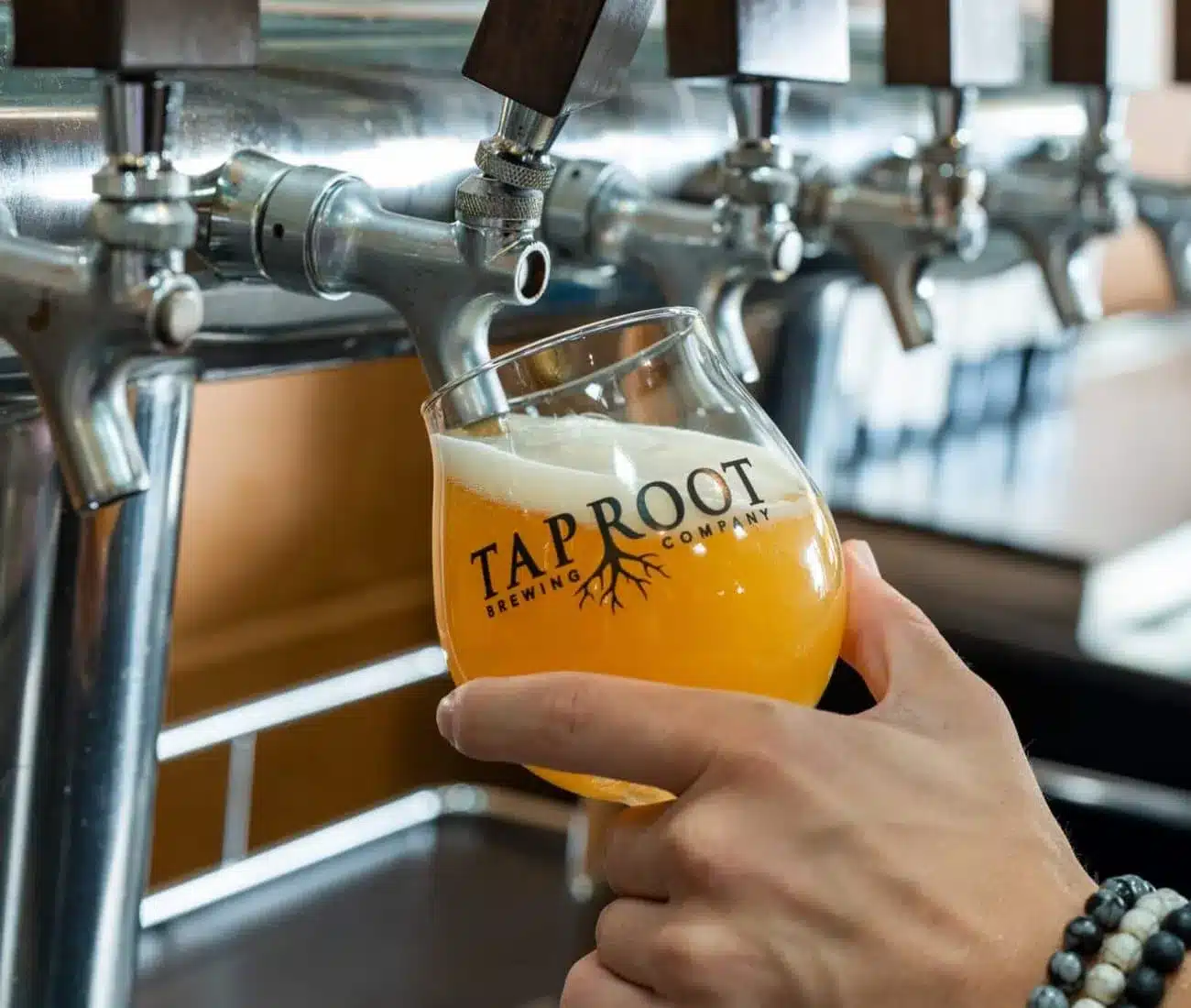
IPA, lager, stout, and wit represent distinct beer style families defined by the Brewers Association’s official guidelines, spanning 75+ recognized styles from hoppy and bitter to dark and roasty categories. Taproot Brewing Company, based in Middletown, RI, brews within these classic style traditions.
Beer styles differ in fermentation, ingredients, and flavor: IPAs deliver bold hop bitterness, lagers stay crisp and clean, stouts bring roasted malt depth, and wits offer light, spiced refreshment. Taproot Brewing Company crafts these styles in small, fresh b
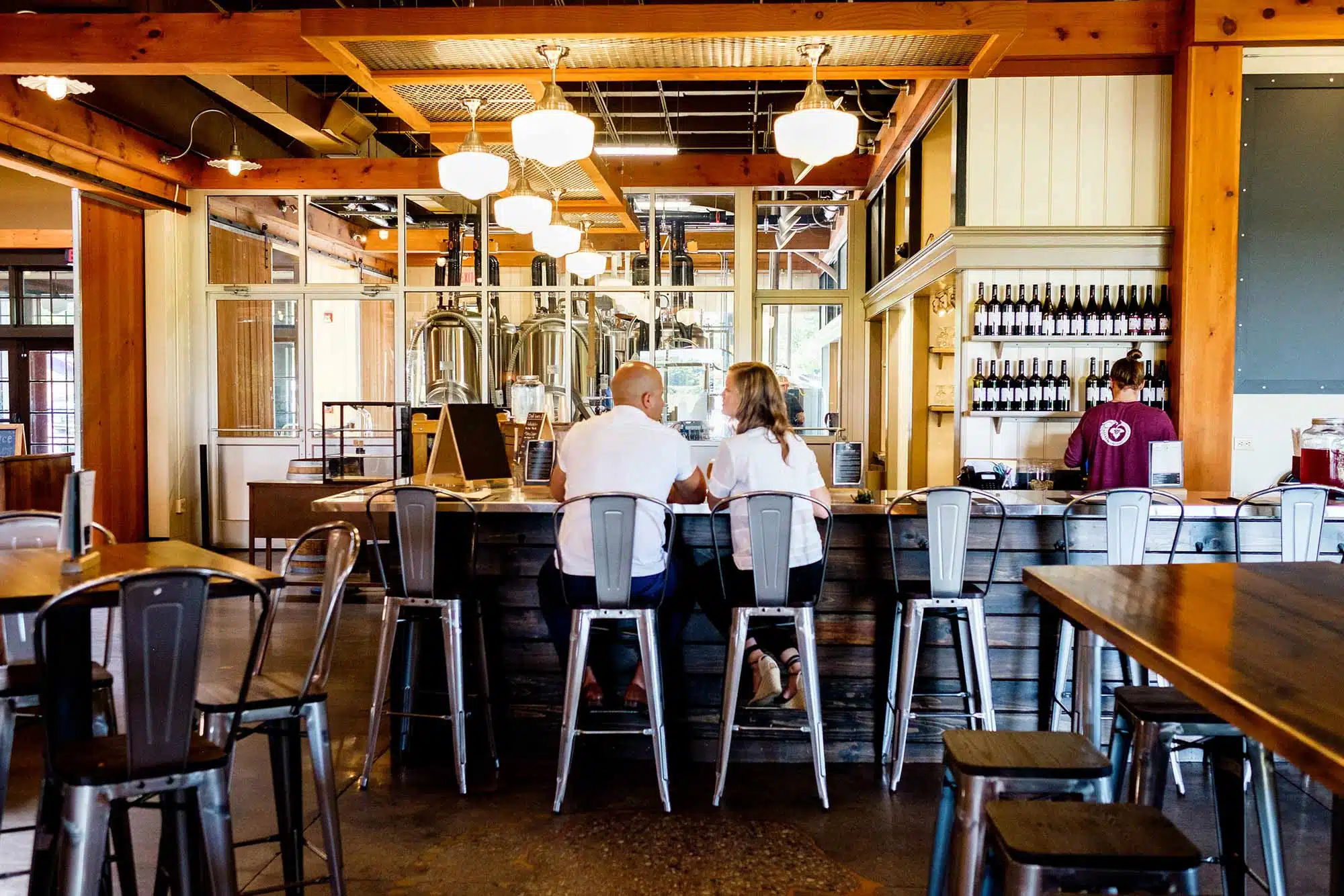
atches from its seven-barrel brewhouse, with new releases weekly.
Key Takeaways
IPA showcases bold hop character with higher bitterness and aromatic complexity than most beer styles.
Lager styles ferment at cold temperatures, producing 75+ distinct varieties across crisp and malty profiles.
Stout delivers dark, roasty flavors from heavily kilned malts, creating rich coffee and chocolate notes.
Wit beer combines wheat malt with spice and citrus additions, originating from Belgian brewing traditions.
What Actually Separates Lager From Ale?
Yeast makes the difference. Lager yeast ferments cold and settles at the bottom of the tank. Ale yeast works warmer and rises to the top, producing fruitier, more expressive flavors. That single biological difference shapes everything else about a beer’s texture, aroma, and finish.
Beer styles exist because brewers and drinkers needed a shared vocabulary. A style is simply an accepted label describing a beer’s overall character, often tied to where it originated. Lager and ale sit above every individual style as the two broad families that all of them descend from.
Is lager always lighter than ale?
Not necessarily. Lager tends toward cleaner, crisper profiles because cold fermentation suppresses fruity byproducts, but plenty of lagers run dark and rich. Taproot Brewing Company offers a light lager that leans into a crisp, dry character with a light touch of hop flavor.
Category | Fermentation | Typical Character |
|---|---|---|
Lager | Cold, bottom-fermenting | Crisp, clean, dry |
Ale | Warm, top-fermenting | Fruity, layered, bold |
That brewhouse capacity lets Taproot maintain both traditions at once rather than favoring one camp over the other. The head brewer has extensive experience in crafting a variety of beer styles since the brewery opened, giving guests a genuine side-by-side education in lager vs ale with every visit.
How Do Guests Read an IPA Guide?
An ipa guide decodes a beer’s hop character before the first sip touches the tongue. Hop variety, not just bitterness, tells guests what flavors to expect. Skipping that step means ordering blind, and missing the exact profile that suits the moment.
The Brewers Association keeps detailed style guidelines that sort hop-forward ales among dozens of recognized beer categories, giving drinkers a shared vocabulary. That framework explains why two IPAs can taste worlds apart despite sharing a name.
What do the hop names actually tell a drinker?
Each hop variety carries its own signature, and Taproot’s tap list proves the point. F-Bomb, a hazy IPA, leans on Comet, Citra, and Idaho 7 hops for juicy citrus, ripe berry, and a whisper of tropical kiwi. A pale ale built on Simcoe, then dry-hopped with Chinook, Simcoe, and Hallertau Blanc, pours out tropical fruit, citrus, mango, and passionfruit. A third hop-forward beer, brewed with Mosaic and Chinook, offers juicy pineapple, citrus, sweet honey, and a background note of pine.
How Should Guests Use This Before Ordering?
Matching the hop notes to a craving, rather than relying on the beer’s name alone, leads to a more informed order. Consider this quick reference:
Craving bright, tropical fruit? Reach for the Simcoe-based pale ale.
Want berry and kiwi sweetness? Order F-Bomb.
Prefer honeyed sweetness with pine undertones? Choose the Mosaic-Chinook pour.
Reading hop composition first turns guesswork into an informed, confident order.
Which Style Should Guests Order First?
First-timers do best starting with a lighter, familiar profile before branching into darker or hoppier pours. Among the broader universe of beer styles, over 75 recognized categories exist, sorted by character: sour and funky, crisp and clean, malty and sweet, hoppy and bitter, or fruity and spiced. That range sounds overwhelming, but a taproom flight solves the problem in one visit.
For a gentle entry point, the grapefruit and lemon peel shandy offers wheat beer softness with a sour, refreshing edge. An easy sip for guests who favor cocktails or citrus drinks over traditional beer.
What if a guest wants something richer?
The orange blossom honey seasonal pour delivers citrus and floral notes with a deep, dark color that misleads the eye. Despite that appearance, the palate stays crisp rather than heavy, making it a smart second stop after the shandy.
How can guests try more than one style without overcommitting?
Ordering by the pint suits a single favorite, while a flight allows sampling several pours side by side. Guests planning ahead can also grab a 4-pack to continue tasting at home.
From the bold hop character of an IPA to the crisp refinement of a lager, the rich depth of a stout, or the aromatic complexity of a wit, each style reflects a distinct expression of the brewer’s craft. Taproot Brewing Company honors these traditions through small-batch offerings rooted in its farming heritage, giving guests a deeper appreciation for the precision behind every pour.
FAQ
What is the main difference between lager and ale?
Yeast is the deciding factor: lager yeast ferments cold and settles at the bottom. Ale yeast works warmer and rises to the top, producing fruitier, more expressive flavors.
Are all lagers light-colored and light-bodied?
No, lagers aren’t always lighter than ale. Cold fermentation gives lager a crisp, clean profile, but many lagers still turn out dark and rich.
Why do two IPAs with the same name taste so different?
Hop variety, not just bitterness, shapes an IPA’s flavor. Taproot’s hazy IPA uses Comet, Citra, and Idaho 7 for citrus and berry notes. Other hop-forward beers built on different hops deliver tropical, piney, or honeyed profiles instead.
What sets a stout apart from other dark beers?
Stout is defined by heavily kilned malts that build a deep, roasted character. That roasting process brings forward coffee and chocolate notes rarely found in lighter styles, giving stout its signature richness.
What is a witbier, and where does the style come from?
Witbier pairs wheat malt with spice and citrus additions, a tradition rooted in Belgian brewing. The result is a light-bodied, refreshing beer with a soft haze and gentle aromatic complexity.
How many beer styles does Taproot draw from?
The Brewers Association recognizes more than 75 distinct beer styles, sorted from crisp and clean to dark and roasty. Taproot Brewing Company crafts its small-batch offerings within these classic style traditions.
What’s the best way to sample multiple styles in one visit?
A tasting flight lets guests sample several pours side by side without committing to a full pint of any one style, and a 4-pack lets guests continue exploring beer styles at home.